
Crispy Canned Salmon Cakes are golden, pan-fried patties made from pantry-staple canned salmon, bound with egg, breadcrumbs, and a handful of bold seasonings. They’re crispy on the outside, tender and flaky on the inside, and come together in under 30 minutes with no fancy ingredients needed. Serve them with a squeeze of lemon and a creamy dipping sauce for a budget-friendly dinner that punches well above its weight.
Whether you’re cooking for a busy weeknight or a relaxed weekend dinner, this Crispy Canned Salmon Cakes delivers every single time. Keep reading for everything you need — ingredients, step-by-step instructions, tips, and the full recipe card below.
Why You’ll Love This Recipe
Ingredients You’ll Need
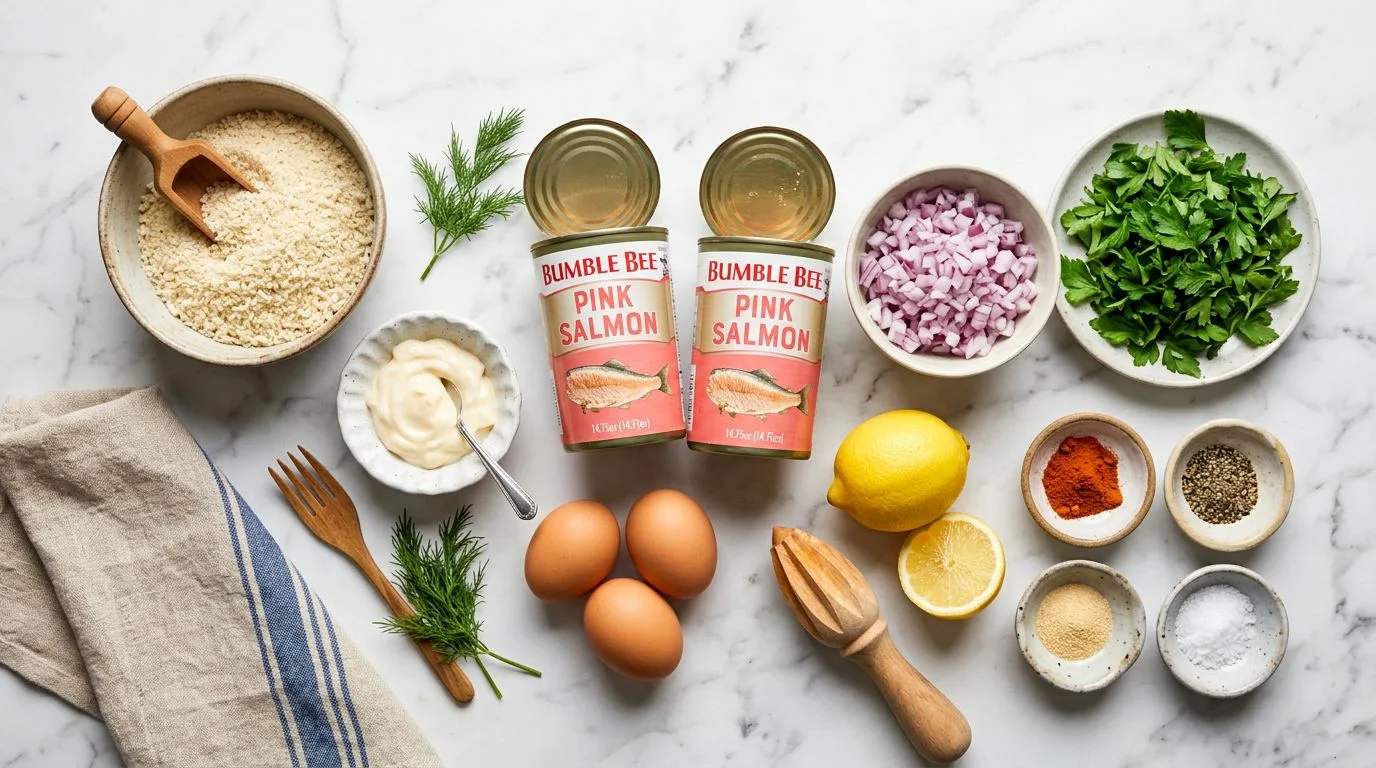
Here is everything you need to make Crispy Canned Salmon Cakes. Full quantities are in the recipe card below.
- For the Salmon Cakes:
- 2 cans (14.75 oz / 418g total) canned salmon, drained and bones removed
- ½ cup (50g) panko breadcrumbs
- 1 large egg, beaten
- 2 tbsp mayonnaise
- 1 tbsp Dijon mustard
- 1 tbsp fresh lemon juice
- 1 tsp Worcestershire sauce
- ½ tsp garlic powder
- ½ tsp onion powder
- ½ tsp smoked paprika
- ¼ tsp cayenne pepper (optional)
- 2 tbsp fresh parsley, finely chopped
- 2 green onions, thinly sliced
- ½ tsp fine sea salt
- ¼ tsp black pepper
- For Pan-Frying:
- 3 tbsp olive oil or avocado oil
- For the Quick Dipping Sauce:
- ½ cup (120g) sour cream or Greek yogurt
- 1 tbsp fresh lemon juice
- 1 tbsp fresh dill or parsley, chopped
- 1 tsp capers, finely chopped (optional)
- Salt and pepper to taste
Feel free to swap ingredients based on dietary needs or what you have on hand. Most substitutions work well in this recipe without affecting the final result significantly.
Always taste and adjust seasoning at the end — every ingredient varies slightly in intensity.
How to Choose the Best Ingredients
The quality of your ingredients directly impacts the final dish. For Crispy Canned Salmon Cakes, look for the freshest produce available and don’t skip on the key flavoring ingredients — they make all the difference between a good dish and an unforgettable one.
When shopping, prioritize fresh over pre-packaged where possible. Fresh herbs, quality proteins, and ripe produce will elevate the final result considerably compared to their processed or out-of-season alternatives.
How to Make Crispy Canned Salmon Cakes
Follow these steps for perfect results every time. Full details including exact quantities are in the recipe card at the bottom of this post.
-
1
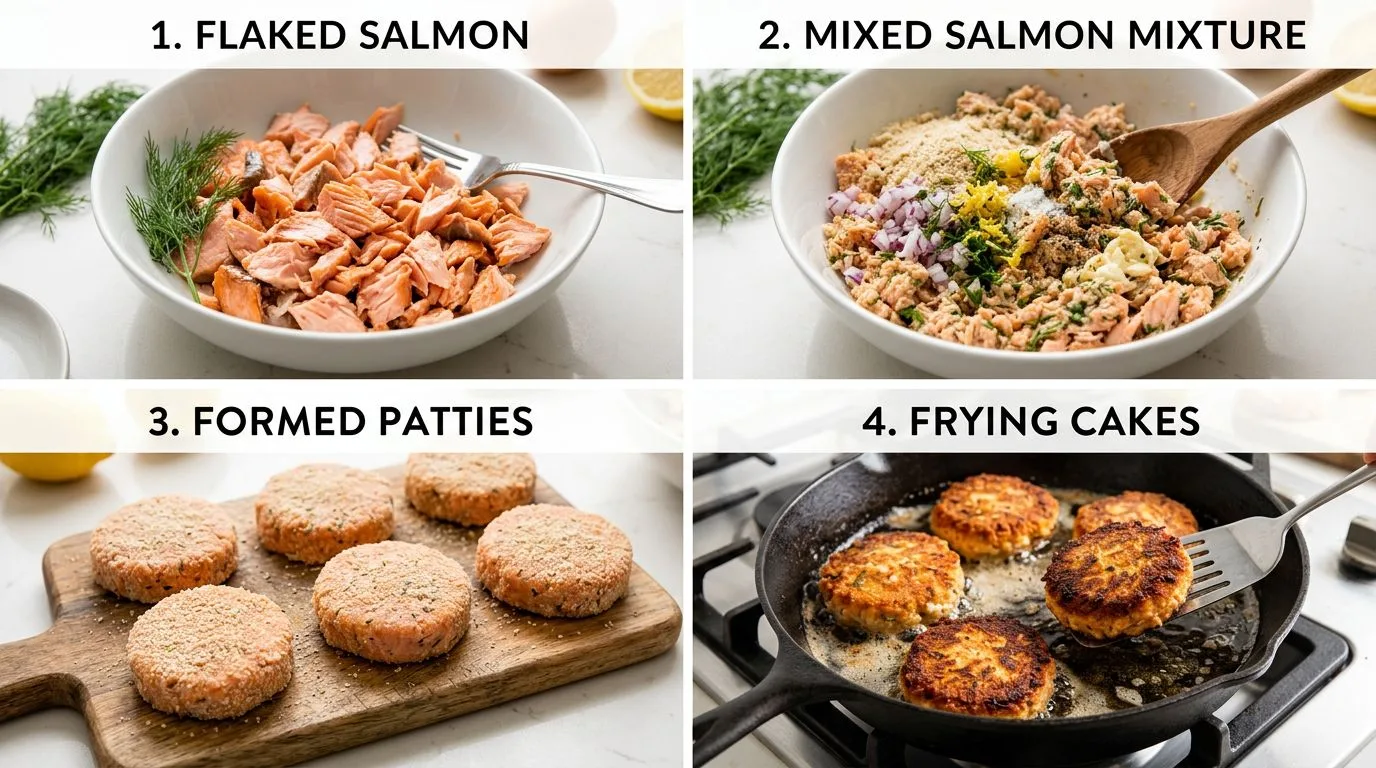
Step 1 — Drain and Prep the Salmon Open and thoroughly drain both cans of salmon. Transfer to a large mixing bowl and use a fork to flake the fish well, removing any large bones and skin. The texture should be fine and even — no large chunks — so the cakes hold together during cooking.
-
2
Step 2 — Mix the Cake Mixture Add the beaten egg, mayonnaise, Dijon mustard, lemon juice, and Worcestershire sauce to the salmon. Mix gently to combine. Fold in the panko breadcrumbs, garlic powder, onion powder, smoked paprika, cayenne (if using), parsley, and green onions. Season with salt and pepper. The mixture should hold its shape when pressed — if it feels too wet, add 1–2 extra tablespoons of panko.
-
3
Step 3 — Form and Chill the Patties Divide the mixture into 8 equal portions. Shape each into a round patty about ¾ inch thick. Place on a plate lined with parchment paper and refrigerate for 15–20 minutes. Chilling firms up the patties and prevents them from falling apart in the pan.
-
4
Step 4 — Make the Dipping Sauce While the patties chill, whisk together the sour cream, lemon juice, dill, and capers in a small bowl. Season with salt and pepper. Refrigerate until ready to serve.
-
5
Step 5 — Pan-Fry to Golden Crisp Heat olive oil in a large non-stick or cast-iron skillet over medium-high heat until shimmering. Add the salmon cakes in a single layer — do not crowd the pan. Cook undisturbed for 3–4 minutes until a deep golden-brown crust forms on the bottom. Carefully flip each patty and cook another 3 minutes until the second side is equally crispy. Work in batches if needed, adding a little more oil between rounds.
-
6
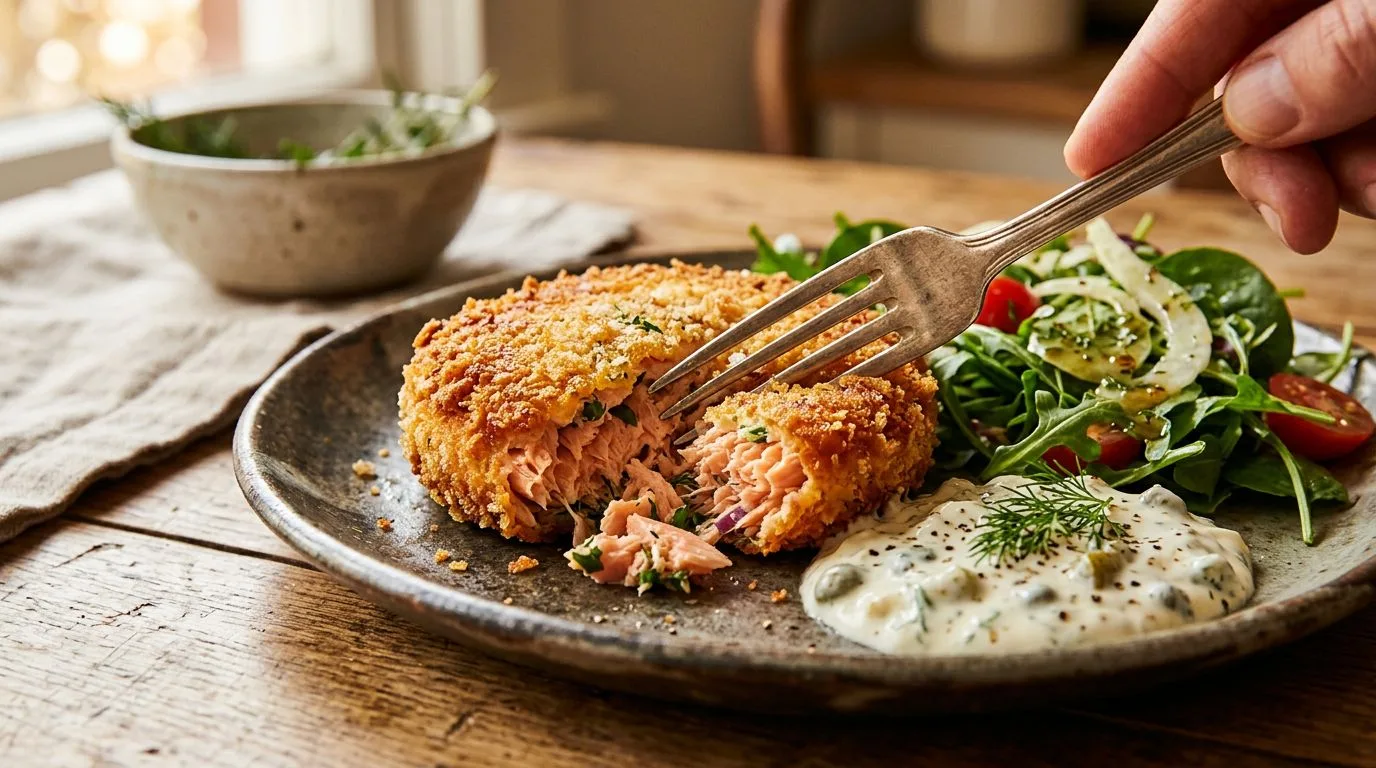
Step 6 — Drain and Serve Transfer the finished cakes to a plate lined with paper towels and blot briefly. Serve immediately with the chilled dipping sauce, fresh lemon wedges, and a simple green salad or coleslaw alongside.
Read the recipe all the way through before you start — it helps you anticipate each step and have everything prepped and ready.
Don’t rush the cooking time. Patience at each stage builds the depth of flavor that makes this recipe special.
Why This Recipe Works
Every step in this recipe is deliberate. The combination of technique and timing creates layers of flavor that build on each other. The seasoning approach ensures every component is properly seasoned rather than relying on salt at the end. The cooking method locks in moisture while developing the exterior texture that makes this dish so satisfying.
The key is following the steps in order and not rushing any stage. Each element of this recipe was tested to work in harmony with the others — skipping or shortcutting any step will affect the final result.
Best Side Dishes to Serve With Crispy Canned Salmon Cakes
Variations to Try
- Dairy-Free: Substitute any dairy ingredients with high-quality plant-based alternatives.
- Gluten-Free: Use certified gluten-free versions of any sauces or seasonings.
- Spicy Version: Add red pepper flakes or a dash of hot sauce to taste.
- Make-Ahead: Prepare components up to 24 hours ahead and assemble before serving.
- Slow Cooker: Adapt for the slow cooker — cook on LOW for 6–8 hours for even deeper flavor.
Storage, Meal Prep & Reheating
Storing Leftovers
Store leftovers in an airtight container in the refrigerator for up to 4 days. The flavors often deepen overnight making leftovers just as satisfying as the fresh dish.
Freezing
This recipe freezes well for up to 3 months. Cool completely before transferring to freezer-safe containers. Thaw overnight in the refrigerator before reheating.
Reheating
Reheat gently on the stovetop over medium-low heat or in the microwave covered with a damp paper towel. Add a splash of water or broth if needed to restore moisture. Avoid overheating — gentle and slow preserves the texture best.
Common Mistakes to Avoid
- Skipping the prep work. Having everything measured and ready before you start makes the cooking process smooth and prevents overcooking while you search for ingredients.
- Rushing the cooking time. Each step has a purpose. Trust the timing and resist the urge to speed things up.
- Not tasting as you go. Adjust seasoning at every stage — waiting until the end means you’ve missed multiple opportunities to build flavor.
- Overcrowding the pan. Cook in batches if needed. Overcrowding creates steam rather than the browning and caramelization that builds flavor.
Nutritional Information
Per serving (based on 4 servings):
Nutritional values are estimates and will vary based on specific ingredients and portion sizes used.
Serving & Presentation Tips
- Garnish at the last moment. Fresh herbs and finishing elements go on right before serving for maximum visual impact and freshness.
- Warm your serving dishes. A warm plate keeps the food at the right temperature longer — simply run hot water over the plate for 30 seconds and dry before plating.
- Less is more. Clean, intentional plating always looks more impressive than an overcrowded plate.
Frequently Asked Questions
Can I make Crispy Canned Salmon Cakes ahead of time?
Yes — this dish actually benefits from being made ahead as the flavors have time to meld and deepen. Prepare up to 24 hours ahead, refrigerate, and reheat gently before serving.
Can I freeze Crispy Canned Salmon Cakes?
Absolutely. Cool completely, transfer to freezer-safe containers, and freeze for up to 3 months. Thaw overnight in the refrigerator and reheat gently on the stovetop.
Is Crispy Canned Salmon Cakes gluten-free?
It can be made gluten-free with simple substitutions — use certified gluten-free versions of any sauces or seasonings called for in the recipe.
How many servings does this recipe make?
This recipe makes 4 generous servings. It scales easily — simply double or halve the ingredients proportionally.
You Might Also Love
Final Thoughts
This Crispy Canned Salmon Cakes has become a go-to for good reason — it delivers on every level. The flavor is deep and satisfying, the technique is straightforward, and the results are consistently impressive whether you’re cooking for yourself on a Tuesday or feeding a table full of people on a weekend.
Once you’ve made it the first time, you’ll understand exactly why it works so well. The combination of well-seasoned ingredients, proper technique, and a little patience produces something genuinely greater than the sum of its parts.
Make it this week and let us know how it turned out — leave a comment below and tell us what you served alongside. We read every single one. 🍽️
Crispy Canned Salmon Cakes
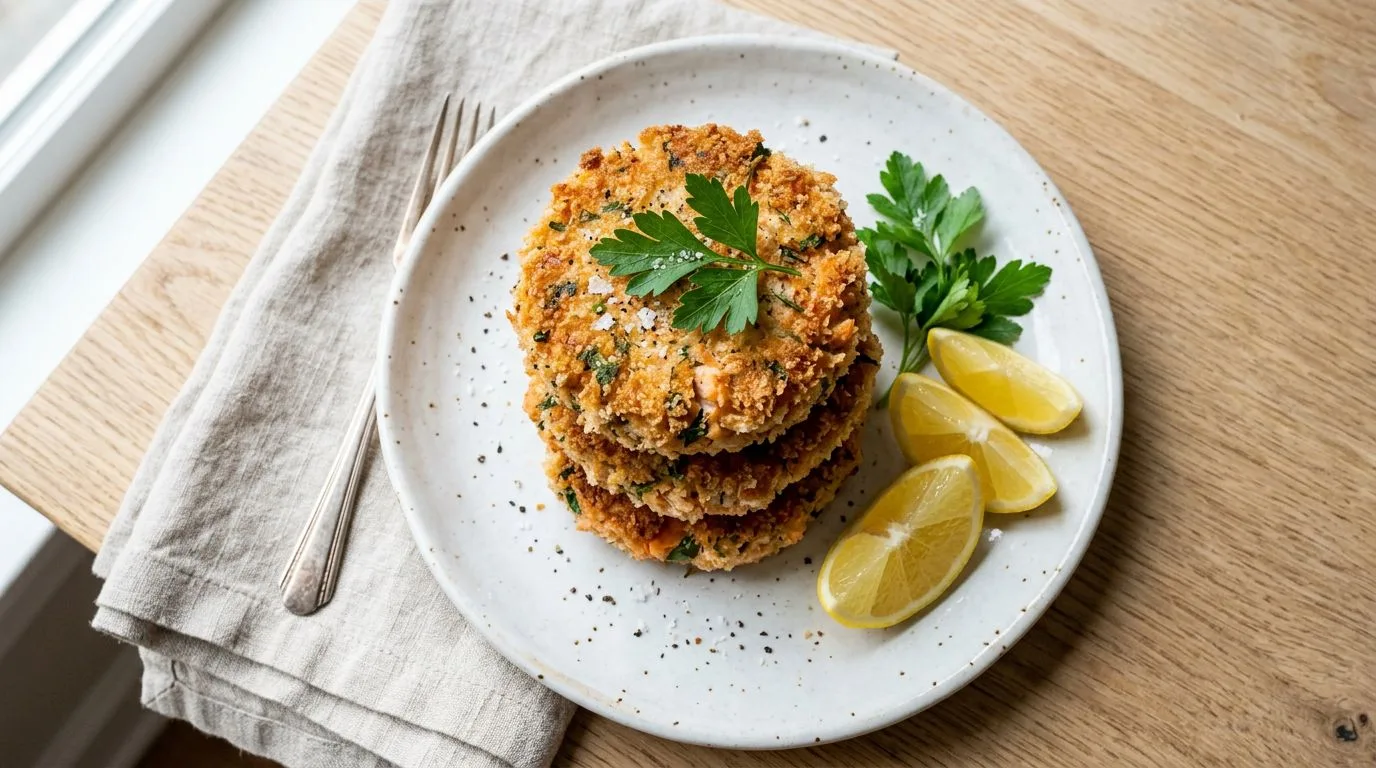
Crispy Canned Salmon Cakes are golden, pan-fried patties made from pantry-staple canned salmon, bound with egg, breadcrumbs, and a handful of bold seasonings. They’re crispy on the outside, tender and flaky on the inside, and come together in under 30 minutes with no fancy ingredients needed. Serve them with a squeeze of lemon and a creamy dipping sauce for a budget-friendly dinner that punches well above its weight.
Ingredients
- For the Salmon Cakes:
- 2 cans (14.75 oz / 418g total) canned salmon, drained and bones removed
- ½ cup (50g) panko breadcrumbs
- 1 large egg, beaten
- 2 tbsp mayonnaise
- 1 tbsp Dijon mustard
- 1 tbsp fresh lemon juice
- 1 tsp Worcestershire sauce
- ½ tsp garlic powder
- ½ tsp onion powder
- ½ tsp smoked paprika
- ¼ tsp cayenne pepper (optional)
- 2 tbsp fresh parsley, finely chopped
- 2 green onions, thinly sliced
- ½ tsp fine sea salt
- ¼ tsp black pepper
- For Pan-Frying:
- 3 tbsp olive oil or avocado oil
- For the Quick Dipping Sauce:
- ½ cup (120g) sour cream or Greek yogurt
- 1 tbsp fresh lemon juice
- 1 tbsp fresh dill or parsley, chopped
- 1 tsp capers, finely chopped (optional)
- Salt and pepper to taste
Instructions
-
1
Step 1 — Drain and Prep the Salmon Open and thoroughly drain both cans of salmon. Transfer to a large mixing bowl and use a fork to flake the fish well, removing any large bones and skin. The texture should be fine and even — no large chunks — so the cakes hold together during cooking.
-
2
Step 2 — Mix the Cake Mixture Add the beaten egg, mayonnaise, Dijon mustard, lemon juice, and Worcestershire sauce to the salmon. Mix gently to combine. Fold in the panko breadcrumbs, garlic powder, onion powder, smoked paprika, cayenne (if using), parsley, and green onions. Season with salt and pepper. The mixture should hold its shape when pressed — if it feels too wet, add 1–2 extra tablespoons of panko.
-
3
Step 3 — Form and Chill the Patties Divide the mixture into 8 equal portions. Shape each into a round patty about ¾ inch thick. Place on a plate lined with parchment paper and refrigerate for 15–20 minutes. Chilling firms up the patties and prevents them from falling apart in the pan.
-
4
Step 4 — Make the Dipping Sauce While the patties chill, whisk together the sour cream, lemon juice, dill, and capers in a small bowl. Season with salt and pepper. Refrigerate until ready to serve.
-
5
Step 5 — Pan-Fry to Golden Crisp Heat olive oil in a large non-stick or cast-iron skillet over medium-high heat until shimmering. Add the salmon cakes in a single layer — do not crowd the pan. Cook undisturbed for 3–4 minutes until a deep golden-brown crust forms on the bottom. Carefully flip each patty and cook another 3 minutes until the second side is equally crispy. Work in batches if needed, adding a little more oil between rounds.
-
6
Step 6 — Drain and Serve Transfer the finished cakes to a plate lined with paper towels and blot briefly. Serve immediately with the chilled dipping sauce, fresh lemon wedges, and a simple green salad or coleslaw alongside.
Read the full recipe before you start. Having everything prepped and ready makes the process smooth and the result consistent.
Taste and adjust seasoning at every stage — this is the single most important habit you can develop as a cook.
